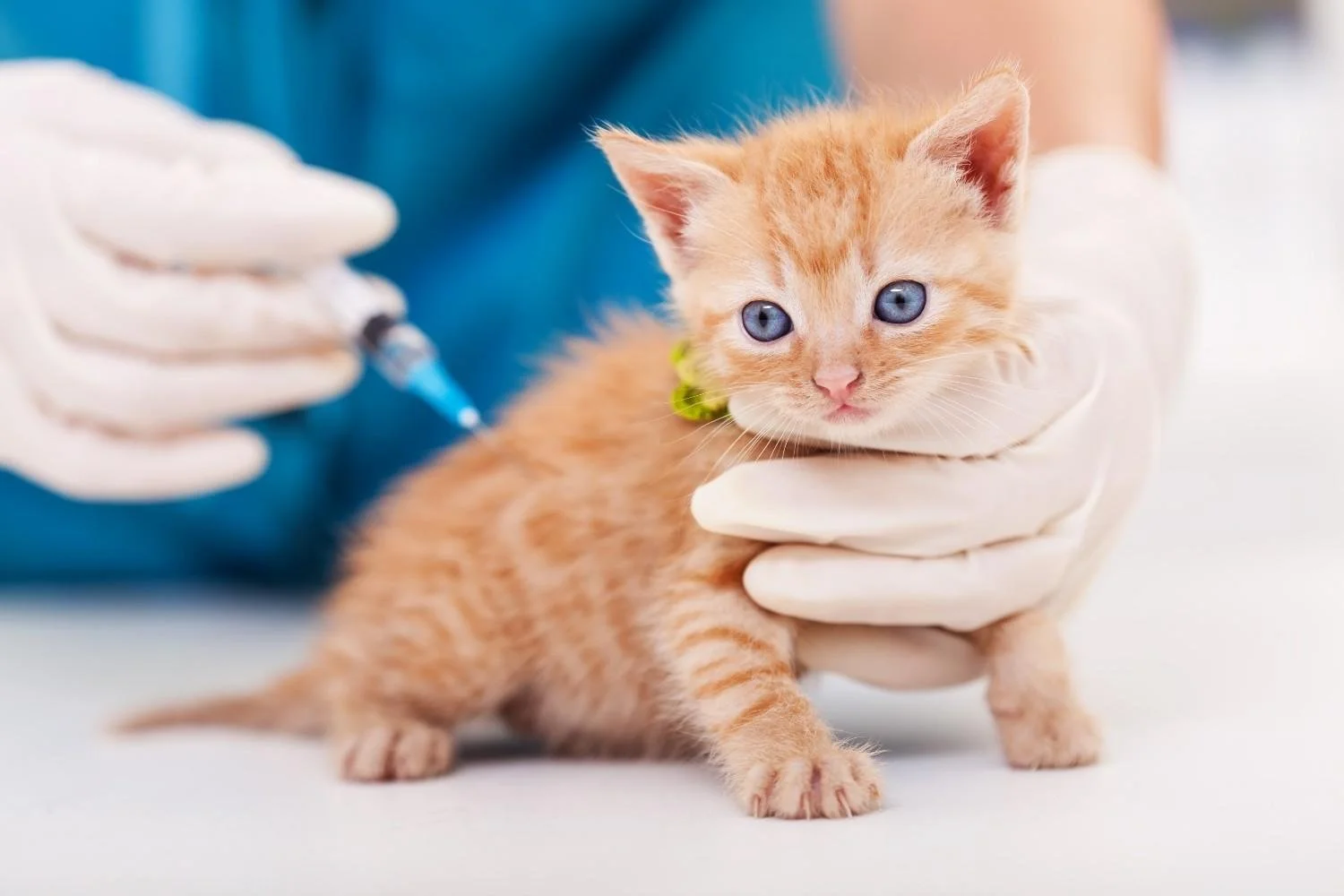
The importance of annual vaccines
When our pets are puppies or kittens, we're diligent about their vaccination schedules, understanding they need strong protection against early-life diseases. But as they grow into adult dogs and cats, it's easy to wonder: Are annual vaccines still necessary? The answer is a resounding yes!
While some initial vaccine series provide multi-year protection, others require regular boosters to maintain effective immunity. More importantly, annual vaccinations are an integral part of your pet's yearly comprehensive wellness exam, an essential piece of lifelong preventive care.
Beyond puppyhood: Why protection still matters
The idea that pets are "immune for life" after their initial puppy or kitten shots is a common misconception. Here's why continued vaccination is essential:
Waning immunity: Just like with human vaccines, the effectiveness of many pet vaccines can decrease over time. Booster shots "remind" your pet's immune system how to recognize and fight off specific diseases, ensuring their defenses remain strong.
Persistent risk of exposure: Your adult pet is still exposed to potential threats, whether it's from wildlife in your yard, other animals at the dog park, contaminated environments, or even germs tracked in on your shoes. Diseases like Rabies, Distemper, Parvovirus, and Feline Leukemia don't disappear just because your pet is grown up.
Evolving risks: Local disease outbreaks can occur, and your pet's lifestyle might change (e.g., you start taking them to a new boarding facility, or they make new doggy friends). Staying up-to-date ensures they're protected against current and potential threats.
Your pet's personalized vaccine schedule
It's important to remember that not every vaccine needs to be given every single year. Modern veterinary medicine focuses on tailored vaccination protocols.
Core vaccines: These are vital for all pets and protect against serious, widespread diseases (e.g., Rabies, DHPP for dogs, FVRCP for cats). After their initial series, some core vaccines may be given every one or three years, depending on the vaccine type and local regulations.
Non-core (lifestyle) vaccines: These are recommended based on your pet's individual risk of exposure (e.g., Leptospirosis for dogs who hike, Feline Leukemia for outdoor cats, Bordetella for social dogs). These are often given annually.
At Sweetwater, we will work with you to determine the most appropriate and effective vaccination schedule for your specific pet, considering their age, health status, lifestyle and environment.
—
By Dr. Julia Daggett
Veterinarian, DVM