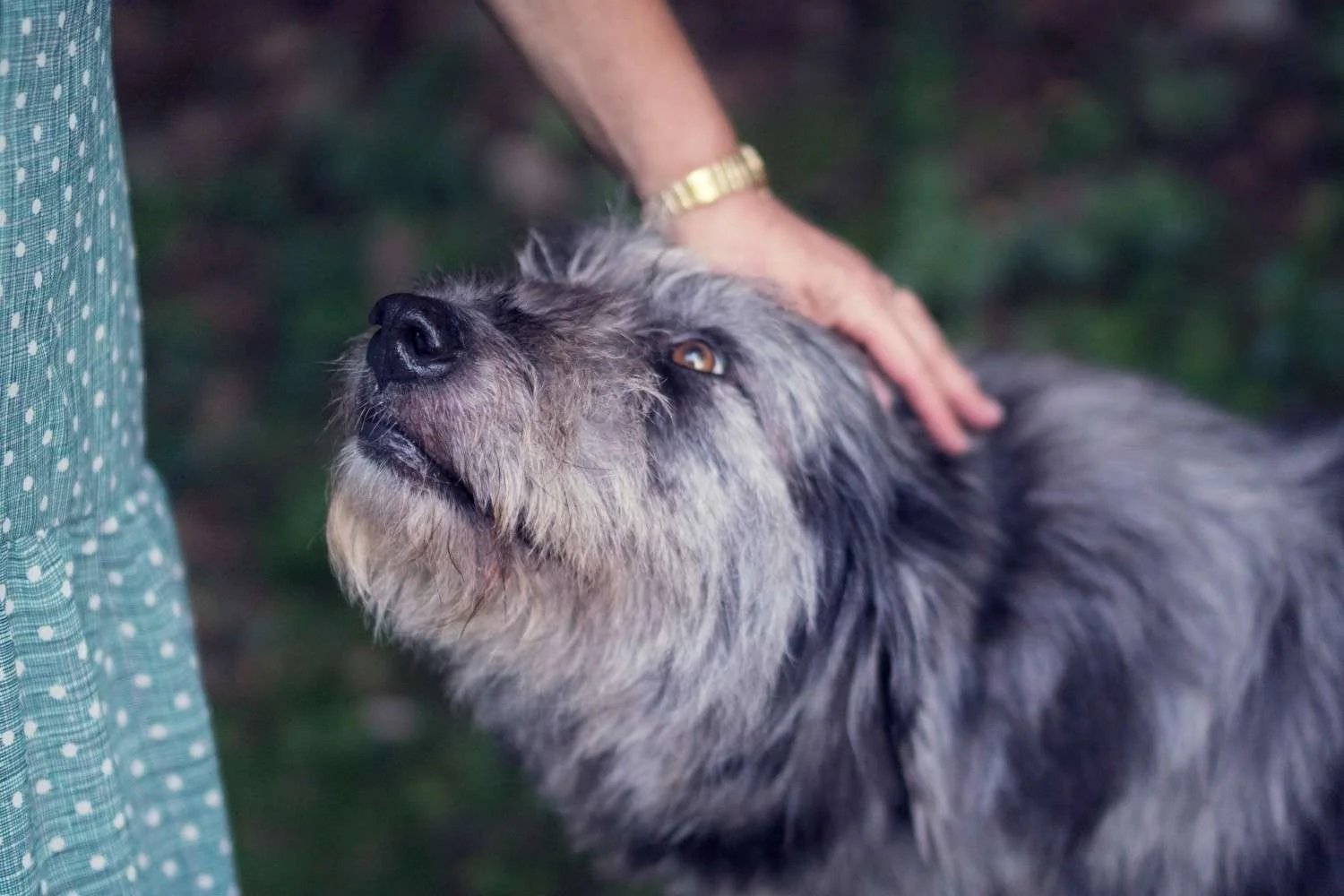
Senior dogs tips & tricks:
Helping your best friend thrive in their golden years
Watching our dogs get older is definitely bittersweet. While that youthful energy might start to fade, the bond we share only deepens! These "golden years" are truly a special time. With just a little extra care and attention, you can help your senior companion keep thriving, comfortable, and enjoying a wonderful quality of life.
At Sweetwater Veterinary Clinic, we understand the unique needs of senior dogs and are dedicated to supporting them (and you!) through this important stage of life.
Recognizing the signs of aging
Just like humans, dogs experience age-related changes. These can be subtle at first. Being observant can help you identify changes early and address them proactively.
Look for:
Changes in energy levels: More sleeping, less enthusiasm for walks or play.
Stiffness or lameness: Difficulty getting up, limping, reluctance to use stairs.
Changes in appetite or thirst: Eating less or more, increased water intake.
Weight fluctuations: Unexplained weight gain or loss.
Cloudy eyes (lenticular sclerosis): A common, usually benign change, but cataracts can also develop.
Hearing or vision loss: Difficulty responding to commands, bumping into objects.
Lumps and bumps: New growths on or under the skin.
Dental issues: Bad breath, difficulty eating kibble.
Changes in behavior: Confusion, disorientation, increased anxiety, altered sleep cycles, house-soiling (signs of Canine Cognitive Dysfunction Syndrome, similar to Alzheimer's).
Important note: While some changes are normal for aging, many can be signs of underlying medical conditions that require veterinary attention. Don't dismiss new symptoms as "just old age" without a vet check.
The importance of regular senior check-ups
One of the most crucial "tricks" for senior dog care is increasing the frequency of their veterinary visits. While adult dogs often see the vet annually, we recommend biannual (twice-yearly) check-ups for senior pets.
Why more frequent visits?
Early detection is key: Many age-related diseases (like arthritis, kidney disease, heart conditions, thyroid issues, and even some cancers) can develop slowly. Catching them early allows for more effective management, often delaying progression and improving quality of life.
Comprehensive assessment: Senior exams go beyond a basic check-up. They typically include:
Thorough physical exam: Detailed assessment of joints, teeth, eyes, ears, skin, and internal organs.
Blood work: To check organ function (kidneys, liver), blood counts, and thyroid levels.
Urinalysis: To screen for kidney disease, diabetes, and urinary tract infections.
Blood pressure monitoring: High blood pressure can lead to other health issues.
Pain assessment: Identifying subtle signs of chronic pain, especially from arthritis.
Proactive management: These visits allow us to discuss and implement strategies for pain management, dietary changes, and lifestyle adjustments to keep your senior comfortable.
Nutrition for the aging palate and body
Your senior dog's nutritional needs will change. They may have a slower metabolism, be less active, or have specific health conditions.
Senior-specific diets: Many brands offer senior formulas that are lower in calories (to prevent weight gain), higher in fiber, and often enriched with joint-supporting supplements (glucosamine, chondroitin, omega-3 fatty acids).
Digestibility: Some senior dogs benefit from easily digestible foods.
Managing appetite: If your senior dog's appetite decreases, discuss this with your vet. Sometimes, a more palatable canned food or a slight warming can help.
Hydration: Ensure constant access to fresh water. Increased thirst can be a sign of underlying health issues.
Keeping them comfortable: Joint health & mobility
Arthritis and joint pain are very common in older dogs. You can do a lot to ease their discomfort:
Supplements: Discuss joint supplements like glucosamine, chondroitin, and omega-3 fatty acids with your vet.
Pain management: Your vet can prescribe safe and effective pain medications (e.g., NSAIDs) if needed. Other therapies like acupuncture, laser therapy, or physical therapy might also be options.
Environmental modifications:
Ramps or steps: To help them get onto furniture or into cars.
Non-slip rugs: On slippery floors to prevent falls.
Orthopedic beds: Provide extra cushioning and support for aching joints.
Elevated food bowls: Can make eating more comfortable for dogs with neck or back pain.
Gentle exercise: Short, frequent walks are often better than one long, strenuous one. Swimming can be excellent for joint mobility without impact.
Mental enrichment: Keeping their minds sharp
An active mind is just as important as an active body for senior dogs.
Puzzle toys: Engage their brains with toys that dispense treats when solved.
Short training sessions: Practice familiar commands or teach new, simple tricks to keep their minds engaged.
Nose work/Scent games: Hide treats around the house for them to find.
New scents: Even if walks are shorter, let them sniff around new areas or bring interesting (safe) outdoor scents into the house.
Social interaction: Continue regular, positive interactions with family members.
Don't forget dental health!
Dental disease is incredibly common in senior dogs and can have a significant impact on their overall health, leading to pain, infections, and even affecting internal organs. Regular dental check-ups and professional dental cleanings (under anesthesia, when appropriate for their health status) are vital.
Embracing the journey
Caring for a senior dog is a privilege. While there will be new considerations, the unconditional love and unique connection you share will only deepen. By being proactive, observant and partnering closely with your veterinary team, you can help ensure your best friend's golden years are truly comfortable, joyful and full of loving moments.
—
By Dr. Julia Daggett
Veterinarian, DVM